DENTON, TX.- Photography is the best medium for such an exhibition that illustrates our country’s culture and landscape in this 250th year of our country’s Declaration of Independence. PDNB Gallery explores this visual expression of America selecting special works by artists in their stable and its archives. Each work of art captures America in a visceral way made possible with the magic of photography, invented in 1826. The following are highlights from the exhibition.
Selections from Edward Curtis’s 32-year, early 20th Century document of The North American Indian are the earliest photographs featured. This daunting enterprise, which resulted in volumes of books and photogravures, was funded by JP Morgan in 1906.
Artdaily Recommended · Paid Link
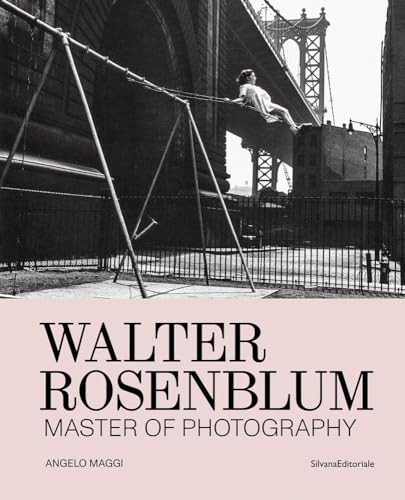
Walter Rosenblum: Photography
By Angelo Maggi
A thoughtful volume on Walter Rosenblum’s humanist photography, exploring images of everyday life, community, labor, and history through a deeply compassionate lens.
See it on Amazon → As an Amazon Associate I earn from qualifying purchases.
Early in the century, photography became more sophisticated and Alfred Steiglitz was responsible for bringing the medium into the art world. He was successful in becoming the influencer of the era in his production of the luscious publication, Camera Work, that featured giants of the medium Edward Steichen, Paul Strand, Clarence White, Gertrude Käsebier and numerous more. In this show, a stunning photogravure print by Steiglitz, The Ferry Boat, from 1910 was a prime selection. This image shows a crowd of passengers occupying every inch on the ferry, we see many hats atop men and women, the ferry pulling out of the loading dock. We imagine the multitude of immigrants riding to and from Manhattan, pursuing the American Dream.
American landscapes have been included with photographs by several PDNB artists. Our Texas National Park of Big Bend was an annual pursuit of Jack Ridley’s, carrying around an 8x10 camera like the early photographers of the American West.

A delightful document of everyday life in a city is Chick’s Candy Store from 1938 by Walter Rosenblum. The image illustrates a gathering of men and boys in front of a candy and tobacco store in the Lower East Side of New York, the shop windows reveal a menagerie of Coca-Cola, 7up, Dutch Master Cigars, Waterman’s Ink signage and the conversation seems very engaging among the men standing just outside the store.
Moving to the 1960’s, we include this photograph from Florida by Al Satterwhite of beach life in St. Petersburg. We see a Ford Falcon wagon stuffed with surfboards while teenagers ride on top along the water’s edge.
And what could be more American than the Statue of Liberty that addresses our family’s common experience of finding freedom and prosperity. This Neal Slavin photograph is part of his When Two or More are Gathered Together photography series in the 1970’s. The image includes the Park Staff standing below the inspiring Liberty.
Bill Owens, known for his popular Suburbia photo essay of the early 1970’s, is represented by an iconic image of a neighborhood 4th of July parade with a woman at the lead holding the American flag.
Earlie Hudnall has photographed the Third and Fourth Wards of Houston since the 1970’s. These neighborhoods have an interesting Black American history; the Fourth Ward was settled by freed slaves. Earlie has captured iconic images of Houstonians and has had a long and successful career, placing his photographs in museum collections throughout the country.
Chris Verene continues to document his family and friends from the blue-collar town of Galesburg, Illinois. This signature image was the cover of his first book. This image encapsulates the traditions of celebrating, no matter where or how, weddings are our own special way of acknowledging our traditions, culture, family and friends. In America the wedding reception can be at a Sirloin Stockade. This Land is Your Land. This Land is our Land.







