


The Timeless Appeal of Black White Abstract Art in Modern Homes
There's a reason monochrome art has endured across centuries while countless color trends have come and gone. Black white abstract art taps into something deeply psychological—the interplay of light and shadow, presence and absence, energy and stillness. Studies in environmental psychology suggest that monochrome palettes reduce visual noise, helping occupants feel calmer and more focused. In a living room, a large-scale black and white abstract piece becomes a natural conversation starter, grounding the space without competing with existing textures or furnishings. In a bedroom, it introduces a meditative quality that supports rest. Place it in a home office, and it sharpens the atmosphere, fostering concentration without distraction. What makes this art form particularly powerful is its chameleon-like adaptability. Against the clean lines of a contemporary interior, black white abstract art reinforces the architecture's precision. In a rustic or bohemian setting, it provides striking contrast that prevents warmth from tipping into visual clutter. Even maximalist spaces benefit—monochrome abstraction acts as a visual pause amid bold colors and layered patterns. This versatility isn't accidental; it stems from the art's reliance on form, gesture, and tonal depth rather than color, allowing it to harmonize with virtually any palette or design philosophy you've already embraced.
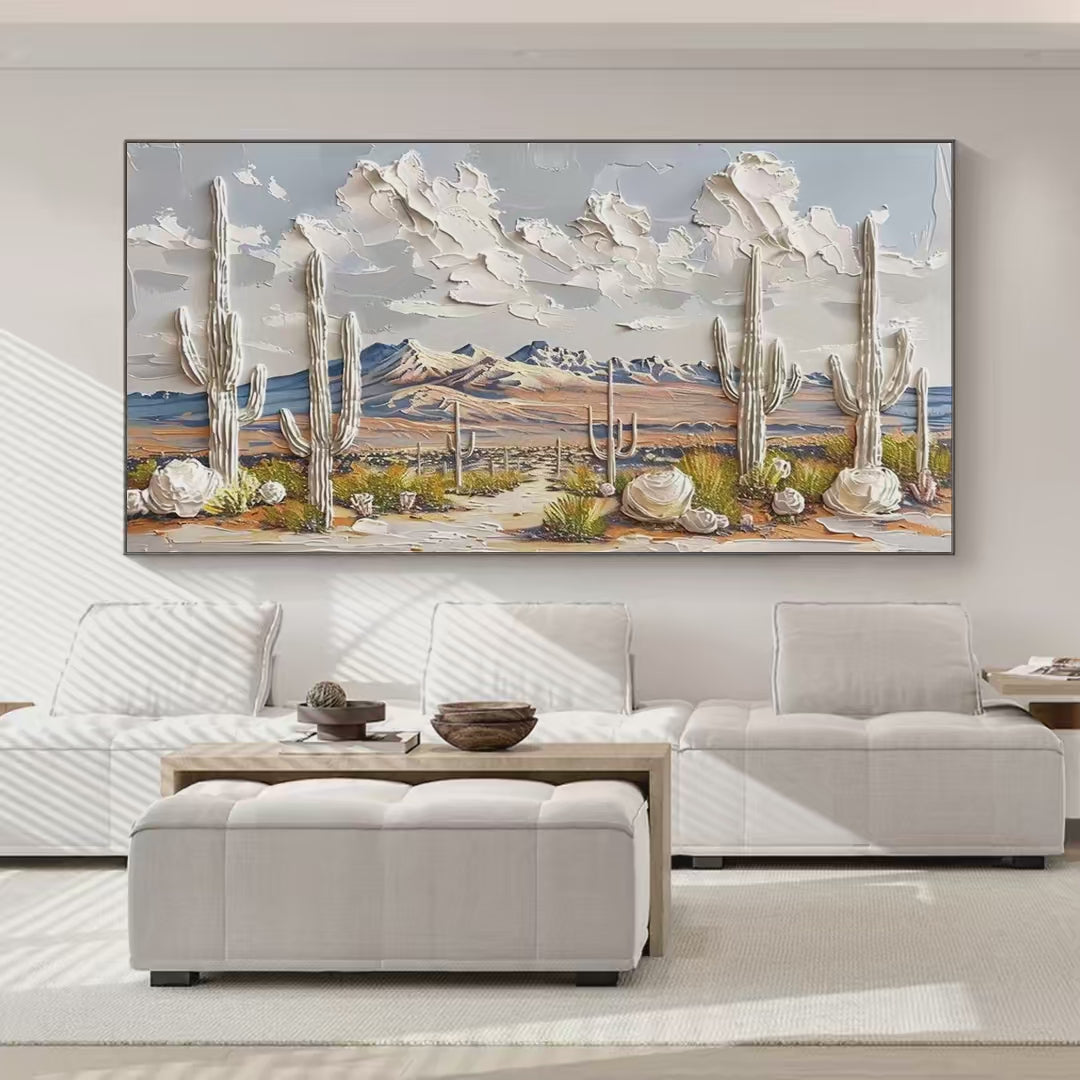
Customized Artwork: Tailoring Black White Abstraction to Your Space
One of the most overlooked aspects of choosing art is recognizing that your space has unique dimensions, lighting conditions, and personality—and a one-size-fits-all approach rarely delivers the impact you're hoping for. Customized black white abstract art bridges the gap between mass-produced prints and commissioned originals, giving you control over how a piece interacts with your environment. Start by measuring your wall space and considering proportion. A piece that's too small gets swallowed by a large wall, while an oversized canvas in a compact room can feel oppressive rather than dramatic. Beyond dimensions, think about canvas type—stretched canvas offers a gallery-ready presence, while framed options can introduce additional texture through wood, metal, or floating frames that complement your existing furniture. Your personal style matters just as much as spatial considerations. If you gravitate toward bold, gestural strokes, look for compositions with dynamic movement and high contrast. If subtlety appeals to you, seek pieces with softer gradients, fine linework, or layered textures that reveal themselves slowly. Consider the room's function too: energetic compositions suit social spaces, while quieter abstractions work beautifully in bedrooms or reading nooks.

Exploring Painting Adjustments for Perfect Fit
Many artists and vendors offer specific adjustments that go beyond sizing. Studios like MontCarta, for example, work with clients on tonal adjustments and compositional tweaks to ensure each original painting suits its intended space. You might request warmer or cooler grey tones to match your room's undertones, heavier texture for tactile depth, or compositional shifts that move visual weight to one side for asymmetrical hanging arrangements. To communicate effectively, provide reference images of your space, note your room's dominant materials and light quality, and describe the mood you want to achieve. Clear, specific feedback during the approval stage ensures the final piece feels intentionally made for your home rather than simply placed in it.
Ensuring Art Quality and Customer Satisfaction
Not all abstract art is created equal, and when you're investing in a piece meant to anchor your home's aesthetic, understanding what separates genuine quality from mass-produced mediocrity becomes essential. High-quality black white abstract art starts with materials—professional-grade canvas that resists warping over time, archival-quality paints that won't yellow or fade with exposure to light, and properly constructed stretcher bars that maintain tension for years. Craftsmanship reveals itself in the details: consistent edge finishing, intentional brushwork that shows depth rather than hasty application, and protective coatings that preserve the piece's integrity against dust and humidity. An artist's reputation and body of work offer reliable indicators of what you can expect. Look for creators who share their process, display a coherent portfolio, and have verifiable client testimonials rather than anonymous five-star ratings.
Before committing to a purchase, take concrete verification steps. Request high-resolution detail images that show texture and paint application up close. Ask whether the seller provides material specifications or certificates of authenticity. Many reputable vendors offer sample swatches or digital mockups showing how the artwork appears in a room setting. Satisfaction guarantees and clear return policies signal confidence in the product—if a seller hesitates to stand behind their work, that's a meaningful red flag. Post-purchase support also matters more than most buyers anticipate. Responsive communication about care instructions, touch-up guidance, and replacement options for shipping damage transforms a transaction into a relationship, ensuring your investment continues to bring satisfaction long after it's hung on the wall.

From Selection to Delivery: A Seamless Art Acquisition Process
Finding the right black white abstract art is only half the journey—getting it safely into your hands requires equal attention. Start by researching sellers thoroughly. Reputable vendors maintain professional websites with detailed product descriptions, transparent pricing, and accessible customer service channels. Look for sellers who specialize in art rather than general home goods, as they're more likely to understand proper packaging and handling requirements. Before placing an order, review shipping policies carefully: confirm whether the seller uses reinforced packaging with corner protectors and moisture barriers, whether insurance is included for transit damage, and what the estimated delivery timeline looks like for your location. International shipments deserve extra scrutiny regarding customs handling and tracking visibility. Once your piece arrives, resist the urge to rush. Inspect the outer packaging for dents, punctures, or water stains before signing for delivery, and document any external damage immediately. Open the box on a clean, flat surface, removing layers methodically rather than pulling the canvas out by its edges. Check the surface for scratches, cracks in paint, or warped stretcher bars under good lighting. If anything seems off, contact the seller with timestamped photos within their specified claim window. A smooth acquisition process protects your investment and ensures the artwork reaches your wall in the condition the artist intended.
Practical Tips for Integrating Art into Your Home Decor
Hanging your black white abstract art is where intention meets impact. Placement determines whether a piece commands attention or fades into the background, so start by identifying your room's natural focal point—typically the wall your eyes land on first when entering. Position the artwork's center at eye level, roughly 57 to 60 inches from the floor, which mirrors gallery standards and feels instinctively right in residential spaces. Above furniture like sofas or consoles, maintain a gap of six to eight inches between the piece's bottom edge and the furniture's top to create visual connection without crowding. Lighting dramatically shifts how monochrome art reads in a room. Directional picture lights or adjustable track lighting cast warm pools that accentuate texture and brushwork, while diffused ambient light softens contrast for a more subtle presence. Avoid placing art in direct sunlight, which can flatten tonal depth over time. When pairing with furniture and accessories, let the artwork guide your choices rather than compete with them. A bold gestural piece pairs naturally with streamlined furniture in neutral tones, while a textured, layered abstraction can anchor a space with mixed materials like linen, raw wood, and matte ceramics. Customized artwork shines here because its proportions and tonal values were chosen with your specific environment in mind, creating cohesion that off-the-shelf prints rarely achieve. Think of your black white abstract art not as decoration but as the room's anchor—everything else should feel like it belongs in conversation with it.





